EWB-USA UW - MADISON
  • Home
  • Support Our Cause
    • Donate
    • Sponsors
  • Programs
    • Rwanda
    • Uganda
    • Peru
    • Puerto Rico
    • All Programs
  • Our Team
    • Meet The Team
    • Team History
    • In Memory Of Peter Bosscher
  • Events
    • Calendar
    • Annual Banquet
  • Gallery
  • Contact Us

Current Programs

Picture

Peru Program
Est. 2025

Picture

The community of Tomacaya, located in the foothills of the Andes near Limatambo, is the site of our current project. This water distribution project aims to provide a community of around 500 individuals with potable water, and was officially approved this year. Tomacaya’s current infrastructure was implemented nearly a decade prior and can no longer support their growing community. Furthermore, their livestock is falling ill from drinking the water. We aim to implement a new, lasting water distribution system that services community hubs and provides potable water for drinking, agricultural support, and cooking.

The Tomacaya Water Project was adopted in December 2024. An assessment trip for the project will be conducted in May 2025. This project was formed in partnership with the NGO Mundo Esperanza and, since it’s adoption, we have worked together closely, as well as with the Tomacaya community. 

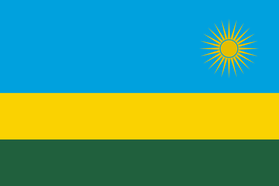
Rwanda Program
​Est. 2025

Picture
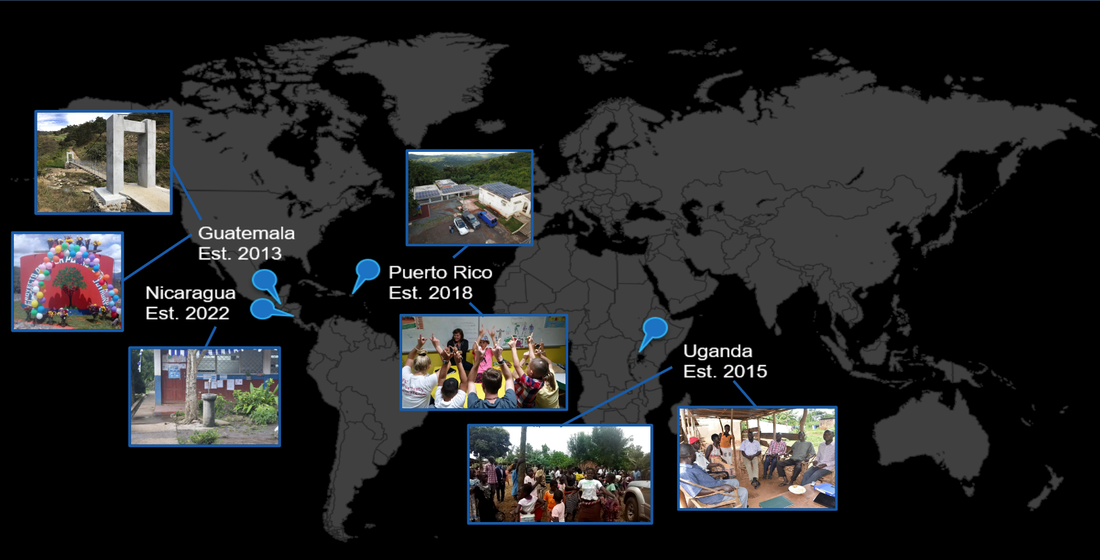
Las Pencas and Las Mesas are two neighboring communities in Estelí, Nicaragua, found in the northwestern region of the country. Both communities are less than an hour from La Trinidad, where the local government is based. They produce beans, maize, chia seed, and flax seed, and also raise cattle. Las Pencas has 96 households and 375 inhabitants, while Las Mesas has 40 households and 133 inhabitants. ​The project will incorporate construction of a new water storage tank - placed at a higher elevation -  to accommodate a greater capacity given the growth of the community, including the 15 houses currently not being serviced. Additionally, it will require a new distribution network that outputs water to household taps. The community has also requested service meters to support the 136 houses and select animal husbandry practices. It will likely require the replacement of some of the existing piping, since the current pipes are almost 30 years old. 

Uganda Program
Est. 2013

Picture
The Uganda project is working with the Bunangwe Buyobo community to build school houses and dormitories. We will be working with the Good Shepherd Community Development Organization and the EWB Country Office in Uganda to provide classrooms for 240+ students, latrines, and two dormitories. The villages have been troubled by high rates of dropout from school due to the long distances students must trek to get to the current school, which is an open-air, temporary structure. Our goal is to provide facilities which will help foster a safe and beneficial learning environment for the children of the community.  ​

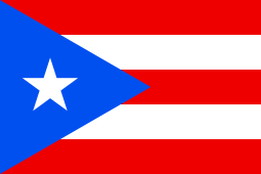
Puerto Rico Program
​Est. 2018

Picture
In 2023, the Puerto Rico team partnered with the nonprofit ID Shaliah Inc. in Canóvanas. Without access to essential resources after devastating hurricanes, the community leaders saw the need for a local self-sufficient center capable of supporting its members. Our team is currently working on developing a solar system capable of powering essential loads during natural disasters.

2018-2022
The Puerto Rico program worked with the children's shelter, Hogar Albergue para Niños Jesús de Nazaret, to bring solar-powered electricity to the children. The Hogar is a home that offers food, transportation, education, social, and psychological services to children who are victims of abuse and/or neglect.
​

In 2017, Hurricane Maria struck Puerto Rico causing island-wide damage and electricity prices to skyrocket. The Hogar is currently paying around $800-$1000 a month on electricity. Also, due to the recent earthquakes, rolling blackouts are frequently occurring, causing electricity to be very unreliable. The new 25 kW solar voltaic system will be hurricane resistant, efficient, and more reliable than municipal electricity. Our goal is to lessen their monthly utility bill and eventually enable them to sell back to the grid.

Past Programs

Picture

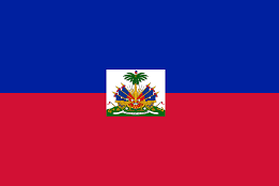
Haiti Program
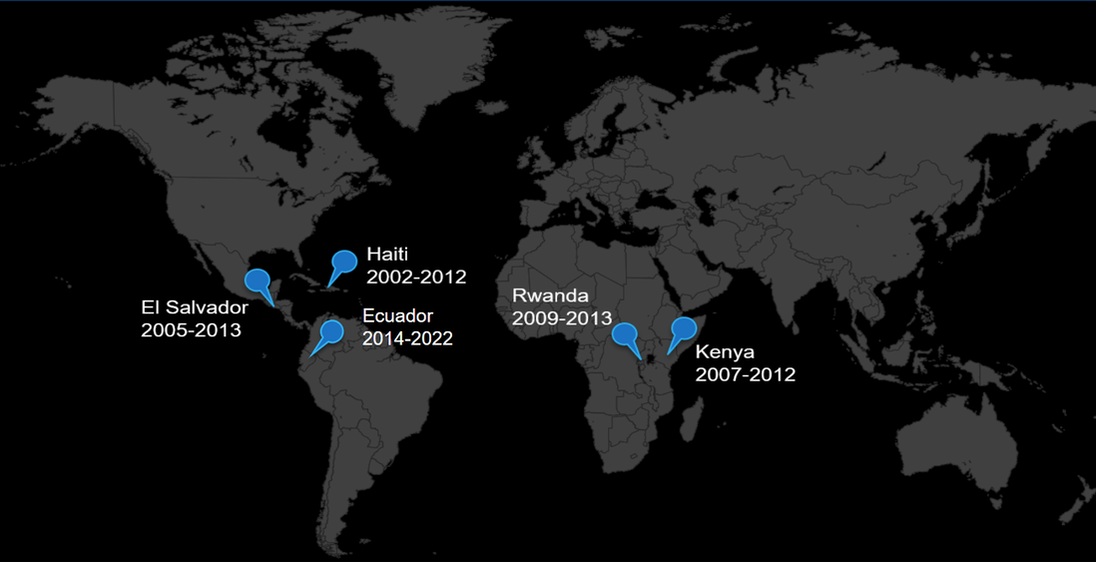
2002-2012

Picture
The Haiti Program operated in Bayonnais, a region in the northern mountains of Haiti home to almost 80,000 people. In collaboration with EWB-SF (the San Francisco Professional Chapter of EWB), and the community group OFCB (Organization of the Christian Force of Bayonnais) , the Haiti project worked to provide solutions to local goals such as healthcare, crop yield improvements, and access to markets. During the project lifetime, EWB constructed a three-span vehicular bridge over a large river, installed a photovoltaic solar power system, and built a irrigation canal crossing.

Ecuador Program
2013 - 2022

Picture
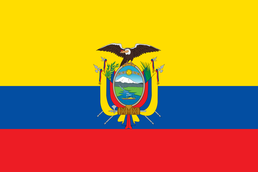
​The Ecuador project is centered in the coastal communities of Tabuga and Camarones.

Tabuga
Currently, children in Tabuga commute to school by walking on a narrow shoulder along one of Ecuador’s main coastal highways. The Ecuador program is working to construct a bridge over a ravine that separates the school and the community, providing students with a safe alternate route. Currently, the team is completing final design drawings and fundraising through grants and corporate sponsorships.
​

​Camarones
Camarones is home to 500 individuals and lacks reliable access to clean drinking water. The Ecuador program is designing a water filtration and distribution system that will provide residents with potable water year round. Currently, the remote area lacks access to a healthy reliable water source, forcing residents to drink water from a nearby river. After our trip in August 2019, the chapter now has the necessary data and community support to move forward with a final system design

El Salvador Program
​2005-2013

Picture
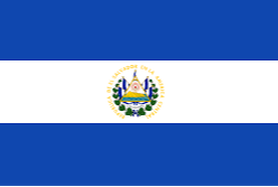
The El Salvador Program teamed up with Rotary International to construct a wastewater collection system in two communities in El Salvador. Along with watewater collection, EWB – El Salvador emphasized educational workshops to teach local children and community members basic sanitation and health practices, as well as water testing to assess the pathogens that threaten the health of community members.

Guatemala Program
​2013-2025

Picture
​El Pericón Chuacorral Sector II is located in the Joyabaj region of Guatemala. This close knit community of 456 people has been searching for a reliable source of water for over two decades. In rural Guatemala, often sources of water are either scarce, located far away, and are at high risk of contamination. Fortunately in El Pericón, a well was dug in 2019; however, they have been in need of a distribution system to bring water to homes ever since.

​
The Guatemala Project of the Engineers Without Borders, UW-Madison Chapter has designed a system to draw water from the well up to a storage tank, and from the tank, water will be supplied to the 119 taps located throughout the community. Implementation is scheduled to begin in the spring of 2022.

​2013 - 2020
The Guatemala program is working in the municipality of Joyabaj, which is located in the mountainous
 western highland region of Guatemala, about 7 hours Northwest of Guatemala City. The community of Zapote has never had a steady, reliable source of non-contaminated water. A few members of Zapote are on another system that is controlled by neighboring communities, allowing them little to no access to clean water. Many others do not have any source of water at all. We are allowing for the community of Zapote to take ownership of their water resources, providing more than 600 people with access to clean, non-contaminated water. In the past, we have completed a water system like this one (Azucenas, 2015), as well as a large pedestrian suspension bridge (Rio Lindo, 2017).

Kenya Program
​2007-2012

Picture
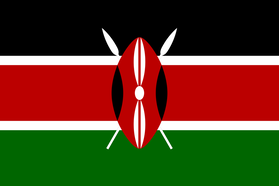
The Kenya Program worked in Orongo – a rural farming community located off the shores of Lake Victoria and about 10 minutes from Kisumu. The two most recent projects worked on by the Kenya project are a biosand filter project/business and an irrigation project. The bios and filter project/business is meant to provide clean household drinking water to the community and an entrepreneurial opportunity for 3 young, motivated members of the community. The irrigation project aims to pump water from the lake to the farms and increase the crop output during the dry season. This is important for the community because most of the farmers yield just enough crops to feed their families and could use another growing season to provide additional income.

​
Nicaragua Program
​2023-2025


​
 
Picture
Powered by Create your own unique website with customizable templates.
  • Home
  • Support Our Cause
    • Donate
    • Sponsors
  • Programs
    • Rwanda
    • Uganda
    • Peru
    • Puerto Rico
    • All Programs
  • Our Team
    • Meet The Team
    • Team History
    • In Memory Of Peter Bosscher
  • Events
    • Calendar
    • Annual Banquet
  • Gallery
  • Contact Us